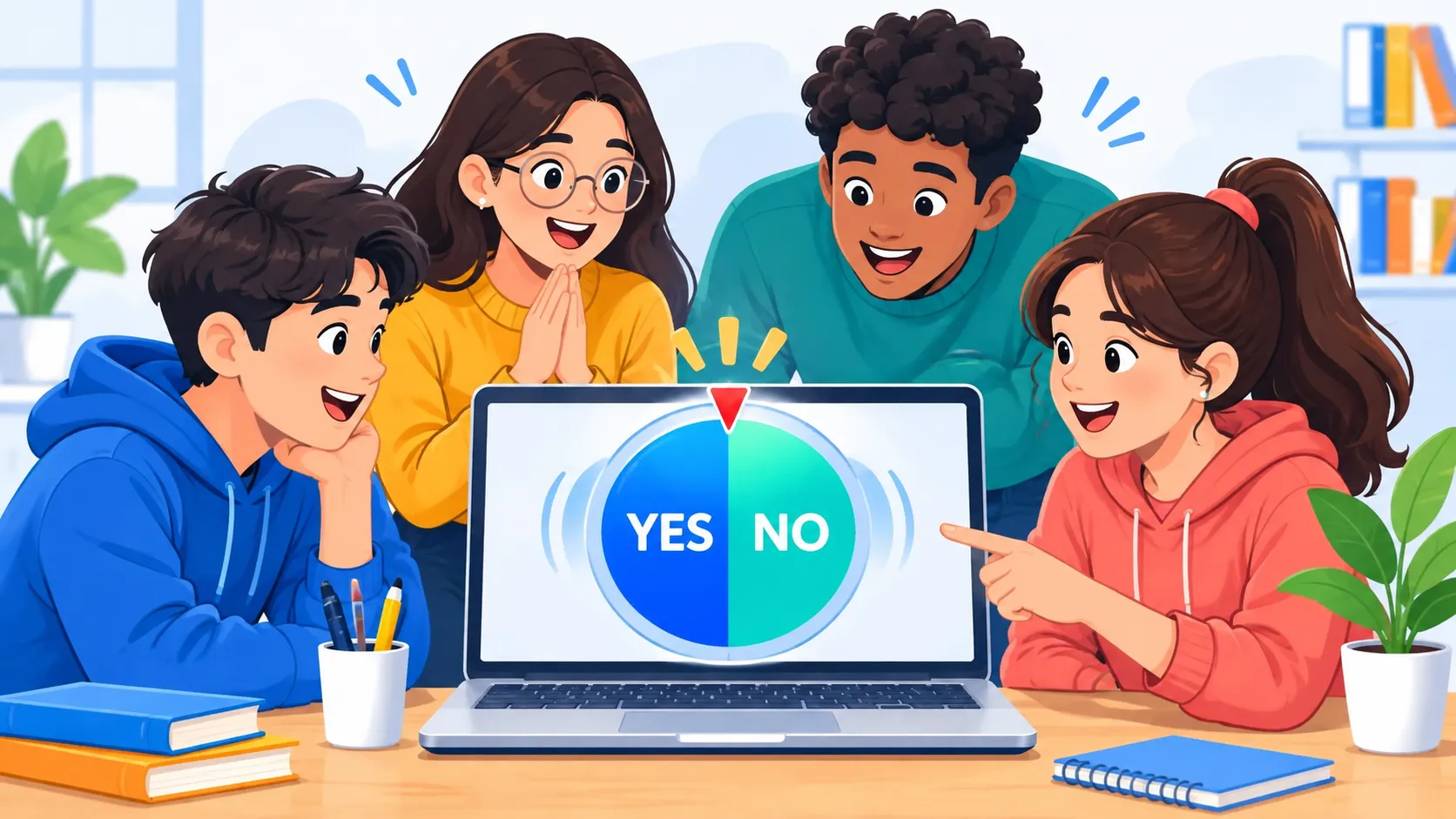

Choosing teams should be the start of a great game, not the reason people start arguing. Yet even a friendly football match, classroom activity, office challenge, or online gaming session can become awkward when someone questions the team selection. One person wants to play with friends, another believes the teams are unbalanced, and someone else suspects that the organizer is playing favourites.
The good news is that you don't need a complicated system to avoid these problems. When everyone understands the rules before the draft begins, team selection becomes easier to manage and the final decision is easier to accept. Here's how to make a fair team draft without arguments while keeping the activity enjoyable for everyone.
1. Agree on the Rules Before Choosing Teams
The easiest way to prevent a disagreement is to settle the important questions before anyone knows which team they will join.
Decide how many teams you need, how many people should be in each group, and whether the activity requires similar skill levels. Explain whether participants can choose teammates or whether the organizer will assign everyone randomly.
For example, if you're arranging a cricket match with 20 players, explain that there will be four teams of five and that the selection method will be the same for everyone. Participants might not get their preferred teammates, but they'll know the process wasn't changed halfway through.
Keep the rules short enough to remember. A few clear decisions made in advance are usually more helpful than a long discussion after the results appear.
2. Choose a Selection Method Everyone Understands
Different activities need different approaches. The key is to choose a method that fits the situation and explain it before starting.
A random team draft works well for classroom games, casual sports, office activities, and friendly competitions where everyone deserves an equal opportunity to be selected. Names can be shuffled and distributed into groups without giving one person control over every placement.
For a fair team draft, explore this guide to fair random team selection and learn how to divide participants into groups without unnecessary arguments.
For activities that depend heavily on experience or ability, a structured draft may be more appropriate. For example, a sports organizer might distribute experienced players across teams rather than placing them all together.
Whatever method you choose, don't switch between random selection and personal preferences simply because someone dislikes the result. Consistency helps people trust the process.
3. Use a Random Team Generator for Neutral Selection
Manual team picking can create uncomfortable moments. Participants may feel overlooked when captains choose their friends first, while organizers may face accusations of favouritism even when their intentions are good.
An online random team generator offers a straightforward alternative. Add the participant names, choose the required number of teams or members per team, and generate the groups. The tool handles the distribution, reducing the need for lengthy negotiations.
Create fair groups for games, classrooms, or team activities with RandomCount, a simple online tool that helps you organize participants into teams quickly and easily.
You can use the RandomCount Team Generator to create groups for sports, classroom exercises, project work, or casual games.
Before generating the teams, check the participant list carefully. Use full names or distinguish between people who share the same name. Once the groups are ready, confirm that nobody has been left out or included twice.
Random selection doesn't guarantee equal ability in every team. What it does offer is a consistent way to distribute participants without letting personal preferences decide every placement.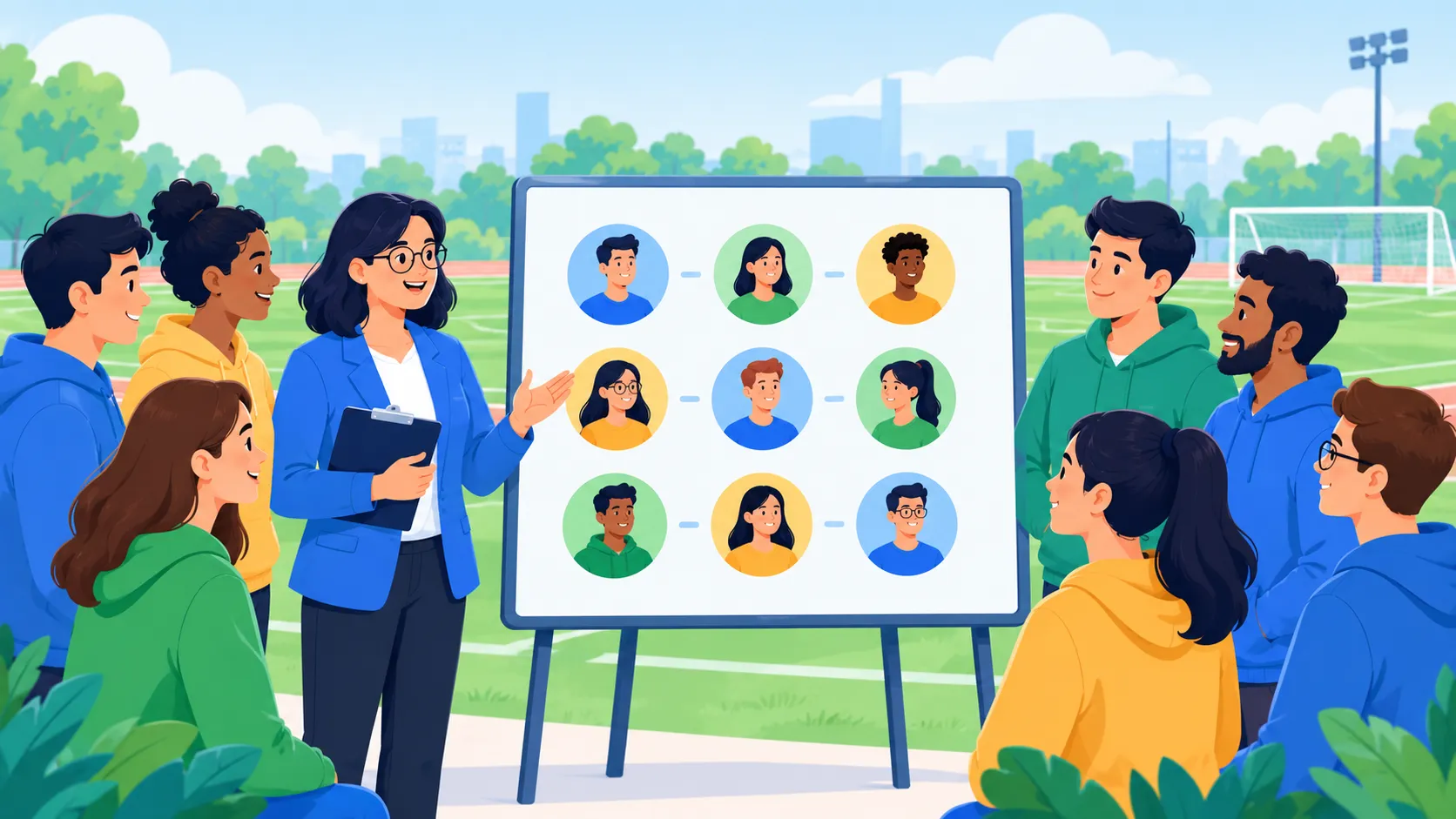
4. Decide What Fairness Means for Your Activity
Fair doesn't always mean identical. Four teams with five members each may still be uneven if one group contains all the experienced players.
Creating balanced groups starts with a clear selection process. Read this guide on how to split players into fair teams for practical ideas to make team selection easier.
Think about what the activity actually requires. In a casual party game, equal team sizes might be enough. In a competitive sport, experience, playing positions, or physical limitations may need consideration. For a school assignment, different strengths and working styles might matter more than individual scores.
Write down the criteria that genuinely affect participation before drafting begins. Avoid adding new conditions just to favour a particular person.
If skill balance is important, consider a hybrid approach: distribute participants randomly within agreed ability groups, or assign experienced players across teams using the same criteria for everyone. Explain any adjustments openly.
Remember that balancing every possible difference is rarely practical. Aim for a reasonable, consistent process rather than promising perfectly equal outcomes.
5. Handle Uneven Numbers Without Making It Personal
Sometimes the numbers don't divide evenly. If you have 23 participants and want four teams, you cannot create four equally sized groups.
Decide how to handle the extra participant before the draft. You might allow one team to have an additional member, rotate substitutes, or adjust the number of teams. The right choice depends on the activity and available time.
If teams have different numbers of players, consider whether that difference creates a real advantage. In a game where every player participates equally, you may need a substitute rotation or a small rule adjustment.
Explain the solution as a practical requirement, not as a judgement about someone's ability. Nobody should feel that they were placed in a group simply because the organizer didn't know where else to put them.
6. Make the Draft Visible and Easy to Check
People are more likely to question a process they cannot understand. That's why transparency matters.
If you're selecting teams in person, display the names as they're assigned. For an online activity, share the generated list in the group chat or meeting. Give everyone a moment to check the results for missing names, duplicates, or obvious setup mistakes.
A visible list also makes it easier to correct genuine errors without restarting the entire discussion.
For example, if two participants were accidentally entered under the same name, acknowledge the mistake, correct the list, and explain whether a new draft is necessary. Don't quietly change the results after everyone has seen them.
Transparency doesn't mean every participant gets a veto. It means everyone can see that the agreed rules were followed.
7. Set Boundaries for Objections and Redrafts
Even a well-organized draft won't please everybody. Someone may dislike their teammates, question the balance, or ask to start over.
Listen to reasonable concerns, but distinguish between a genuine mistake and simple disappointment. A missing participant or an incorrect team size deserves attention. Not getting a preferred teammate usually doesn't justify restarting the draft.
Set a clear policy before selection begins. For example, you might allow one correction round for verified errors but no repeated redraws based solely on personal preference.
If a serious imbalance becomes obvious, review it against your original criteria. Make any adjustment using a consistent rule, and explain the reason to the group.
This approach keeps the conversation focused on the activity rather than turning team selection into a contest of persuasion.
8. Give Every Team a Fair Start
The draft is only the beginning. Once the teams are announced, help everyone move forward.
Explain the objective, time limit, scoring system, and any special rules. If the activity involves cooperation, give teams a short opportunity to introduce themselves and decide how they'll work together.
Strong teamwork helps people work together and avoid unnecessary disagreements. Explore these team collaboration activities to improve communication and cooperation.
Avoid jokes about the weakest team or comments suggesting that certain participants are guaranteed to lose. These remarks can turn a harmless selection process into a personal issue before the game even starts.
A useful principle is to judge the teams by how they participate, communicate, and improve—not just by the names assigned to each group.
Research shared by Google rehighlights psychological safety, dependability, and clarity as important aspects of effective teamwork. In practice, that means people should be able to ask questions, contribute ideas, and work with teammates without being embarrassed for speaking up.
9. Learn From the Draft for Next Time
After the activity, take a minute to consider whether the selection method worked. Were the teams manageable? Did the numbers create any practical problems? Did participants understand the rules?
Ask a simple question: "Was the process clear, and is there anything we should change for next time?"
Use the answers to improve the procedure, not to reopen a completed game. If random selection worked well, keep it. If a particular sport required better skill distribution, update the criteria before the next draft.
You can also explore RandomCount's guide to creating fair teams online for additional ideas about organizing group selection.
Frequently Asked Questions
1. What is the fairest way to draft teams?
The fairest method depends on the activity. Random selection is useful when everyone should have an equal chance of joining any team. Competitive activities may need clear skill-balancing rules established before selection.
2. How can I stop people from arguing about team selection?
Explain the rules before starting, use a consistent selection method, display the results, and allow corrections only for genuine errors or agreed exceptions.
3. Does a random team generator create perfectly balanced teams?
No. A random team generator distributes participants according to its settings, but it doesn't automatically guarantee equal experience, ability, or compatibility. Additional balancing may be necessary for competitive activities.
4. What should I do when the number of players is uneven?
Decide in advance whether one team can have an extra member, whether substitutes will rotate, or whether you should change the number of teams. Choose the arrangement that best suits the activity.
5. Should I allow people to request a different team?
You can consider genuine concerns about accessibility, safety, or activity requirements. However, changing teams simply because someone dislikes the result can undermine the agreed selection process.
Final Thoughts
A fair team draft starts with clear rules, a suitable selection method, and a willingness to apply the same standards to everyone. Random selection can help remove personal bias, while thoughtful adjustments can make teams more suitable for activities that require different skills.
Most importantly, explain the process before the names are chosen. Check the results, handle genuine mistakes calmly, and avoid repeated redraws simply because someone dislikes their assignment.
When participants understand how the teams were formed, they have less reason to argue about the selection and more time to enjoy the activity. You may not be able to make everyone happy with every result, but you can make the process clear, consistent, and respectful.