
How Teachers Can Use Random Numbers in the Classroom
Random numbers can make classroom activities fairer and more engaging. Explore simple ways teachers can use them for quizzes, game...
Read More →
Convert your JPEG images to WEBP format instantly. Smaller size, better quality.
WEBP is a modern image format developed by Google that provides superior compression for images on the web. It produces images that are significantly smaller than JPG at equivalent or better visual quality.
Adopted by all major browsers, WEBP has become the go-to format for web optimization — helping sites load faster, rank higher in search, and deliver a smoother user experience.
Switching from JPG to WEBP is one of the easiest and most impactful optimizations you can make for your website.
WEBP files are 25–35% smaller than equivalent JPGs. Less data means faster delivery to every visitor.
Smaller images mean pages load in a fraction of the time. Visitors stay longer when content appears instantly.
Google prioritizes fast-loading sites. WEBP images improve Core Web Vitals scores, boosting your search rankings.
Speed affects everything — bounce rate, conversions, and user satisfaction. WEBP helps you deliver a snappier experience.
JPG has been the standard for decades. WEBP is the modern replacement — purpose-built for today's performance-first web.
WEBP delivers the best of both worlds — stunning visuals at a fraction of the file size.
WEBP consistently produces files 25–35% smaller than JPG at the same visual quality, saving storage and bandwidth.
Advanced prediction encoding preserves detail and sharpness even at low quality settings. Your images look better, not worse.
Smaller files upload faster to CMS platforms, social media, and cloud storage. No more waiting for progress bars to finish.
WEBP images directly improve Core Web Vitals metrics like LCP (Largest Contentful Paint), giving your site a measurable speed boost.
Unlike JPG, WEBP supports alpha-channel transparency — like PNG — but at a much smaller file size. One format replaces two.
A fast, reliable, and private conversion tool — designed to get the job done in seconds.
Images are converted instantly using your browser's native engine. No server processing, no waiting in queues.
Adjust the quality slider to find the perfect balance between file size and visual fidelity for every image.
Simply drag your JPG file onto the tool to get started. No navigating through file dialogs — just drop and convert.
Works perfectly on phones and tablets. Convert images on the go, right inside your mobile browser.
All conversion happens locally in your browser. Your images never leave your device — zero privacy risk.
Completely free with no sign up, no limits, and no hidden fees. Convert as many images as you need.
Your converted WEBP files are clean — no watermarks, no branding, no attribution required. They're yours.
Download your WEBP file with one click. The file is named automatically based on your original image name.
A side-by-side comparison of the two most common image formats on the web.
| Feature | JPG (JPEG) | WEBP |
|---|---|---|
| File Size | Baseline standard | 25–35% smaller at same quality |
| Compression Quality | Good, but artifacts at low quality | Better prediction encoding, cleaner output |
| Transparency Support | ✕ Not supported | ✓ Full alpha-channel support |
| Website Performance | Standard load times | Significantly faster page loads |
| Browser Support | 100% universal | 97%+ (all modern browsers) |
| Animation Support | ✕ Not supported | ✓ Animated WEBP supported |
| Metadata (EXIF) | Full EXIF support | Limited EXIF support |
| Best For | Legacy systems, universal compatibility | Modern web, performance optimization |
Whether you're a developer, designer, or business owner — converting to WEBP helps everyone.
Privacy isn't an afterthought — it's built into the core of how this tool works. Every pixel of your image stays on your machine from upload to download.
We never see, store, or transmit your files. There are no server logs, no cloud storage, and no data collection of any kind. Your images are yours alone.
WEBP is the smart choice for any image that lives on the web. Here's where it makes the biggest impact.
Replace every JPG on your site with WEBP and watch your Lighthouse score jump. Faster load times, better rankings, happier visitors.
Blog posts with large hero images load noticeably faster with WEBP. Readers stay engaged when content appears instantly.
Product images in WEBP reduce page weight dramatically. Faster product pages mean lower bounce rates and higher conversions.
Upload WEBP graphics to social platforms for faster processing. Smaller uploads mean quicker publishing workflows.
First impressions matter. WEBP images ensure your landing page loads before visitors lose patience and click away.
Showcase high-quality work with fast-loading WEBP images. Your portfolio looks stunning without making visitors wait.
Converting to WEBP is just the start. Follow these tips to get the most out of every image on your site.
Use a quality setting of 75–85% for WEBP. This range delivers visually lossless results at a fraction of the original file size. Going below 60% usually produces visible artifacts.
WEBP should be your default for web images. It outperforms JPG in compression and supports transparency. For next-gen sites, consider AVIF as an additional fallback.
Always start with the highest-quality source image. Compressing an already-compressed JPG introduces generation loss. Original files produce the best WEBP output.
Don't upload a 4000px image when your container is 800px. Resize images to their display dimensions first — this single step can reduce file size by 80%+.
Combine WEBP conversion with lazy loading, responsive images (srcset), and a CDN for maximum performance. Each optimization compounds with the others.
Convert any JPG image to WEBP in three simple steps.
Select your JPEG file by clicking the box or dragging it into the upload area. Only JPG/JPEG files are accepted.
Use the slider to choose the compression level. Usually, 80% is the sweet spot for quality and file size balance.
Click "Convert" to process the image, then download your new WEBP file. See the size savings instantly.
More handy utilities — all free, all private, at RandomCount.in.
Read our newest tutorials, guides, productivity tips, and helpful articles from RandomCount.
Random numbers can make classroom activities fairer and more engaging. Explore simple ways teachers can use them for quizzes, game...
Read More →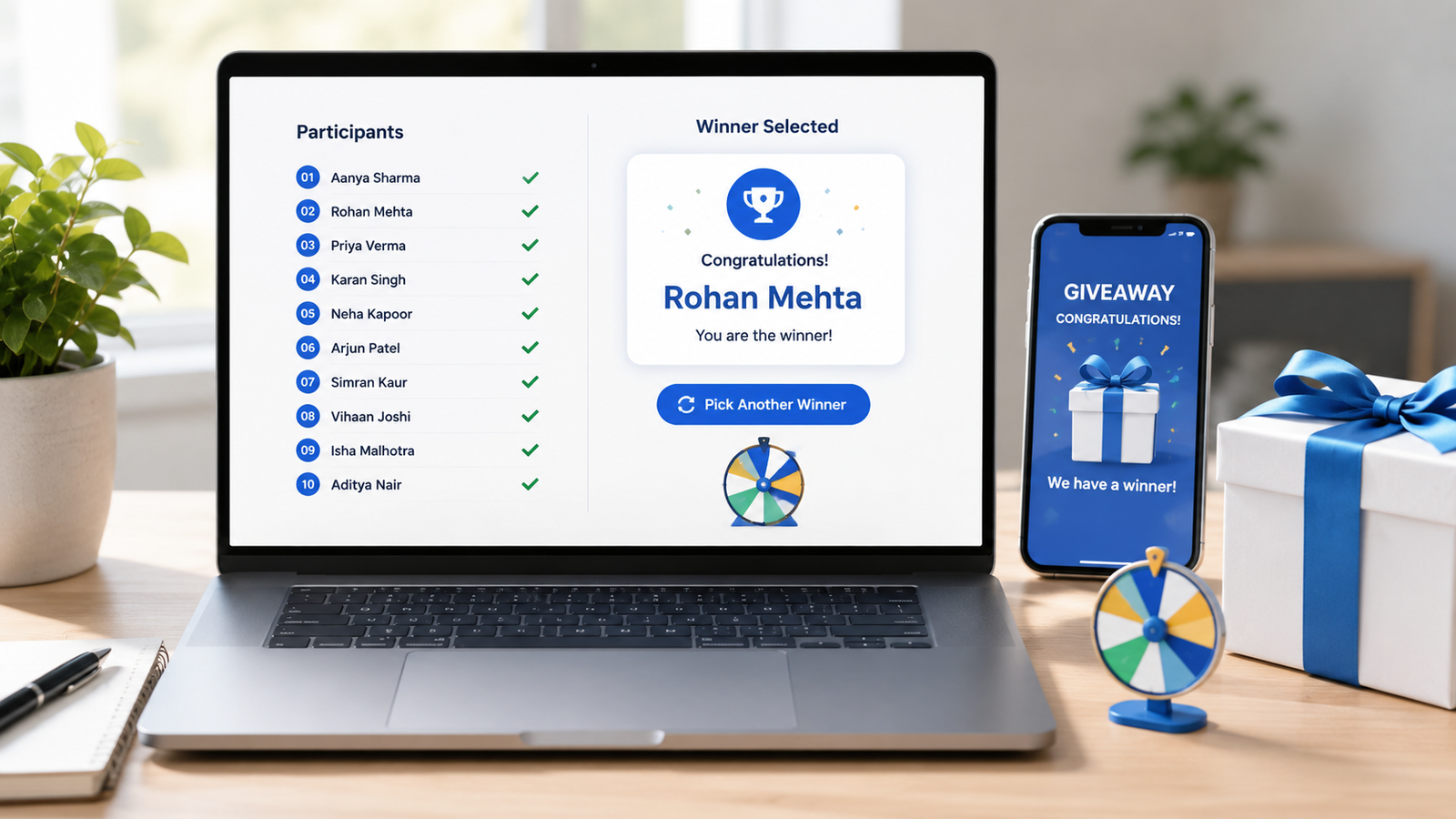
Learn how to choose giveaway winners fairly with a random tool. This practical guide covers entry lists, eligibility checks, rando...
Read More →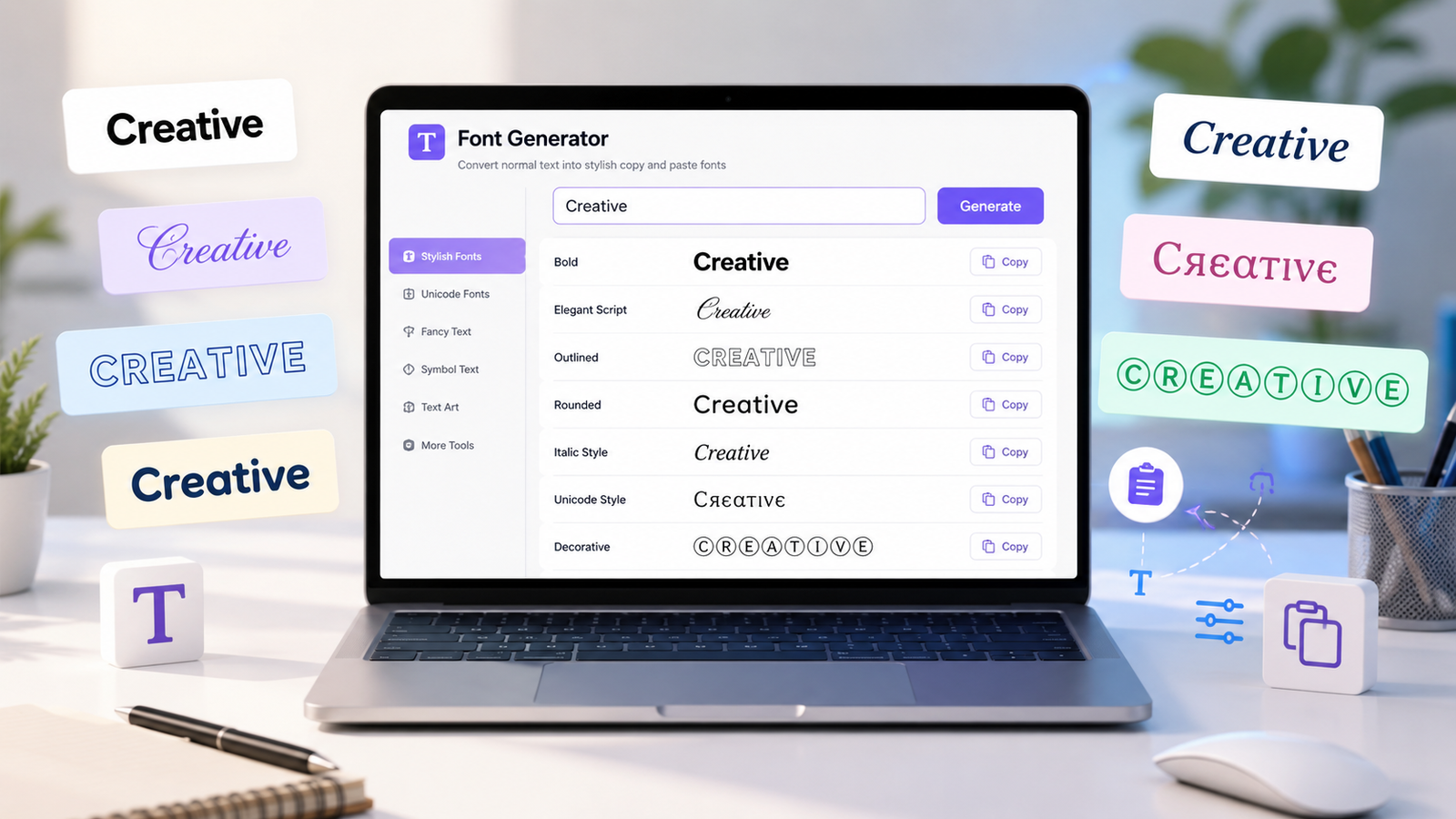
Create stylish copy-and-paste text with a font generator. Explore unique Unicode text styles for social media bios, captions, user...
Read More →Everything you need to know about converting JPG images to WEBP format.
A JPG to WEBP converter is an online tool that transforms JPEG images into the WEBP format. WEBP is a modern image format developed by Google that provides superior compression — producing files that are 25–35% smaller than JPG at equivalent visual quality. This converter runs entirely in your browser, so your images never leave your device.
Yes, 100% free with no limitations. There's no sign up, no watermarks on output files, and no conversion limits. You can convert as many JPG images to WEBP as you need, forever, at no cost.
At quality settings of 75–85%, the quality difference between JPG and WEBP is virtually invisible to the human eye. WEBP uses more advanced compression algorithms that preserve detail better than JPG at the same file size. At very low quality settings (below 50%), both formats show artifacts, but WEBP generally handles them more gracefully.
Absolutely. This converter is fully responsive and works on any modern smartphone or tablet browser. Simply open the page, upload a JPG from your photo gallery, adjust the quality, and download the WEBP file directly to your device.
Yes — completely. All conversion happens locally in your browser using the HTML5 Canvas API. Your images are never uploaded to any server, never stored anywhere, and never accessible to anyone but you. When you close the tab, the data is gone.
WEBP files are 25–35% smaller than equivalent JPGs, which means faster page loads, lower bandwidth costs, and better user experience. Google uses page speed as a ranking factor, so WEBP images can directly improve your SEO. They also help with Core Web Vitals metrics like Largest Contentful Paint (LCP).
Yes! Unlike JPG, WEBP supports full alpha-channel transparency — the same capability as PNG. This means you can use a single format for both photographic images (which JPG handles) and images with transparency (which previously required PNG). WEBP delivers transparency at significantly smaller file sizes than PNG.
WEBP is supported by over 97% of browsers globally, including Chrome, Firefox, Safari (iOS 14+ and macOS Big Sur+), Edge, Opera, and all Chromium-based browsers. The only notable exception is very old browser versions. For maximum compatibility, you can use the <picture> element with a JPG fallback.